Creating and Utilizing a Bucket List: A Practical Guide for Your Goals and Projects
A bucket list is a collection of experiences, goals, or achievements that you want to accomplish in your lifetime. It can be a powerful tool for personal growth, professional development, and creative inspiration. This article will explore how a bucket list can be integrated into various aspects of your life, from planning and executing projects to making significant decisions and achieving long-term goals.
Understanding the Role of a Bucket List
A bucket list serves as a roadmap for your aspirations. It helps you prioritize what's important and provides a clear direction for your efforts. Whether you're a professional, entrepreneur, or simply someone looking to make the most of life, a well-crafted bucket list can be a valuable asset.
Where Does a Bucket List Fit?
Bucket lists are versatile and can be used at different stages of any process:
- Before a Project: To brainstorm and set goals, ensuring that your project aligns with your broader life objectives.
- During a Task: To stay motivated and focused, reminding you of the bigger picture and the reasons behind your efforts.
- After a Decision: To reflect on the outcomes and adjust your future plans, ensuring continuous improvement and alignment with your aspirations.
Integrating a Bucket List into Your Workflow
Integrating a bucket list into your daily routine can enhance your productivity and help you stay on track with your goals. Here’s how you can do it:
Preparation and Planning
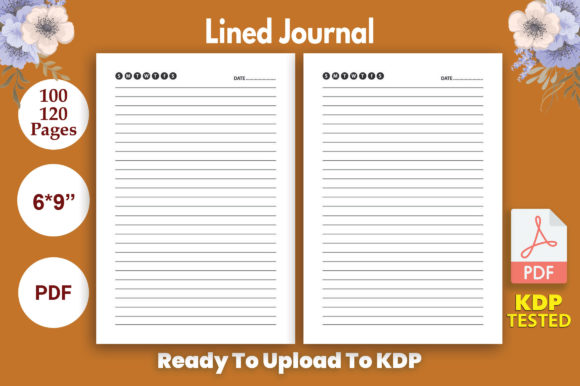
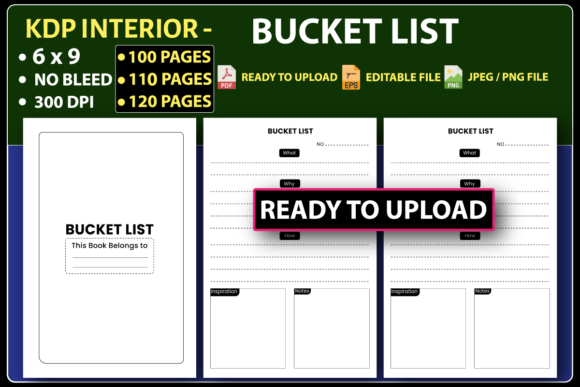
Start by creating a comprehensive list of your dreams and goals. Use a journal like the Bucket List Journal Small 6" x 9", which is designed specifically for this purpose. This journal comes with 100-120 pages, providing ample space for detailed entries and reflections. The high-quality print-ready PDF, JPEG, and AI files make it easy to customize and print, ensuring that your bucket list is both functional and visually appealing.
Compatibility and Usability
The Bucket List Journal is compatible with various platforms, including KDP (Kindle Direct Publishing). You can easily upload the PDF, JPEG, and AI files to KDP, making it accessible for both digital and physical use. This flexibility allows you to integrate your bucket list seamlessly into your existing workflows, whether you prefer digital tools or traditional pen and paper.
Practical Implementation Tips
- Set Clear and Specific Goals: Be specific about what you want to achieve. For example, instead of "travel more," write "visit five new countries in the next three years."
- Prioritize and Categorize: Organize your bucket list into categories such as personal, professional, and creative. This helps you focus on one area at a time and ensures balanced progress.
- Regular Reviews and Updates: Set a regular schedule to review and update your bucket list. This keeps it relevant and helps you stay motivated as you see your progress.
- Share and Collaborate: Share your bucket list with friends, family, or colleagues who can provide support and encouragement. Collaboration can also lead to new ideas and opportunities.
Using a Bucket List in Different Contexts
A bucket list can be a valuable tool in various contexts, from personal development to professional and creative endeavors. Here are some practical examples:
Personal Development
Use your bucket list to set and track personal goals, such as learning a new language, improving your health, or developing a new hobby. Regularly reviewing and updating your list can help you stay committed and motivated.
Professional Growth
In a professional context, a bucket list can help you set career goals, such as earning a promotion, acquiring new skills, or starting your own business. It can also serve as a reminder of your long-term vision, helping you make informed decisions and stay on track.
Creative Inspiration
For creatives, a bucket list can be a source of inspiration and motivation. List creative projects, such as writing a book, composing music, or launching an art exhibition. Use your bucket list to brainstorm ideas, set deadlines, and track your progress.
Factors to Consider for Long-Term Success
To ensure that your bucket list remains a useful and effective tool, consider the following factors:
- Consistency: Make it a habit to review and update your bucket list regularly. Consistency is key to maintaining momentum and achieving your goals.
- Quality Control: Ensure that the goals on your bucket list are realistic and achievable. Break larger goals into smaller, manageable steps to make them more attainable.
- Integration: Integrate your bucket list into your daily and weekly routines. Use it as a reference point for planning and decision-making.
- Flexibility: Be open to adjusting your bucket list as your priorities and circumstances change. Flexibility allows you to adapt and stay aligned with your evolving aspirations.
By following these tips and integrating a bucket list into your workflow, you can enhance your productivity, stay motivated, and achieve your goals. Whether you're using a Bucket List Journal or another tool, the key is to make it a part of your routine and use it as a guide for your aspirations.