Mastering the KDP Interior Grid Journal: A Comprehensive Guide
The KDP Interior Grid Journal is a versatile and essential tool for anyone looking to create professional, well-organized, and visually appealing journals. Whether you're a beginner or a seasoned creator, this guide will help you navigate the ins and outs of using and optimizing your grid journal for the best results.
Understanding the KDP Interior Grid Journal
The KDP Interior Grid Journal is a pre-designed template that allows you to create a high-quality, grid-based journal. It's particularly useful for planners, sketchbooks, and other creative projects. The grid layout provides a structured yet flexible format, making it ideal for a wide range of applications.
Why Choose the KDP Interior Grid Journal?
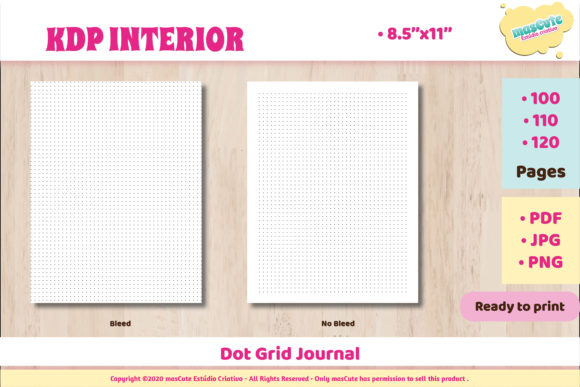
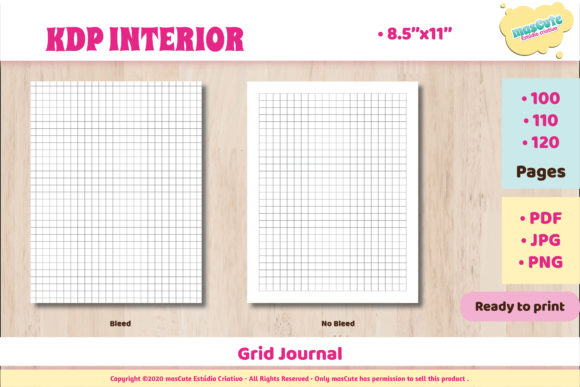
One of the primary reasons to use the KDP Interior Grid Journal is its ease of use. With ready-to-upload PDF files and transparent PNG and JPG options, you can quickly and efficiently create a professional-looking journal. Additionally, the availability of different page counts (100, 110, and 120 pages) and bleed and no-bleed versions adds to its versatility.
Avoiding Common Mistakes with the KDP Interior Grid Journal
While the KDP Interior Grid Journal is a powerful tool, there are several common mistakes that can detract from its effectiveness. By being aware of these pitfalls, you can ensure that your final product is both functional and aesthetically pleasing.
Mistake 1: Overlooking the Importance of Bleed and No-Bleed Versions
Many creators overlook the significance of choosing between bleed and no-bleed versions. The bleed version extends the design to the edge of the page, providing a seamless look, while the no-bleed version leaves a small margin. For a more polished and professional appearance, especially in print, the bleed version is often preferable. However, if you prefer a cleaner, more straightforward look, the no-bleed version might be the better choice.
Mistake 2: Ignoring File Formats and Their Uses
Another common mistake is not understanding the different file formats included in the download. The PDF files are perfect for direct upload to KDP, ensuring that your journal is ready for publication. The PNG and JPG files, on the other hand, offer more flexibility for editing and customization. Make sure to use the appropriate file format based on your specific needs and the stage of your project.
Mistake 3: Not Checking Page Count Before Downloading
Choosing the right page count is crucial for the functionality and usability of your journal. A 100-page journal might be sufficient for a simple planner, but a 120-page journal could be more suitable for a detailed sketchbook. Always consider the intended use and content of your journal before selecting the page count. This will help you avoid the need for additional edits and re-uploads, saving you time and effort.
Practical Advice for Using the KDP Interior Grid Journal
To get the most out of your KDP Interior Grid Journal, follow these practical tips:
- Plan Your Layout: Before you start, have a clear idea of how you want your journal to look. Consider the purpose of each section and how the grid layout can enhance its functionality.
- Test Different Versions: Experiment with both the bleed and no-bleed versions to see which one best suits your design. This will help you make an informed decision and achieve the desired aesthetic.
- Use the Right Tools: Utilize graphic design software like Adobe Illustrator or Canva to customize your journal further. These tools can help you add unique elements and personal touches to make your journal stand out.
- Review and Adjust: After creating your journal, take the time to review it thoroughly. Check for any inconsistencies or errors, and make necessary adjustments. This step is crucial for maintaining the quality and professionalism of your final product.
Conclusion
The KDP Interior Grid Journal is a valuable resource for anyone looking to create a high-quality, well-organized journal. By avoiding common mistakes and following practical advice, you can ensure that your journal meets your needs and exceeds your expectations. Remember to choose the right version, file format, and page count, and always take the time to plan and review your work. With these tips in mind, you'll be well on your way to creating a standout journal that serves your creative and professional goals.